

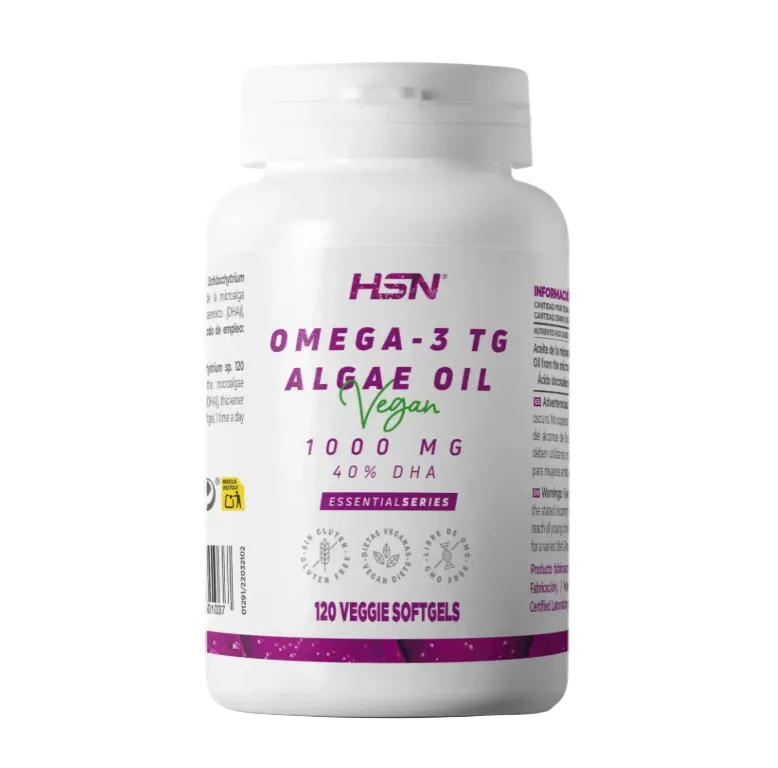
Omega 3: Vegan from Algae Oil 1000mg | 120 pearls | DHA 40% HSN
Omega 3: Vegan from Algae Oil 1000mg | 120 pearls | DHA 40% HSN
Unable to load pickup availability
Omega 3: Vegan from Algae Oil 1000mg | 120 pearls | DHA 40% HSN
Omega 3: Vegan from Algae Oil 1000mg | 120 pearls | DHA 40% HSN falls into the category well-being and health and is designed for those looking for practical and targeted support based on their performance, recovery or well-being goals.
🎯 Who is it useful for?
- those who want to support general well-being and micronutrients
- those who experience stress, tiredness or increased nutritional needs
- those looking for targeted support for energy, defenses or recovery
🔥 Main benefits
- support for daily well-being and nutritional balance
- help with energy, immunity or recovery
- useful supplement during periods of physical and mental stress
ℹ️ Check technical data sheet
For this product it is recommended to complete or verify the section ingredients directly from the official packaging, label or technical data sheet, so as to keep the page accurate and complete.
Omega 3: Vegan from Algae Oil 1000mg - DHA 40% - HSN Essential Series
Omega 3: The Vegan Revolution with the Highest DHA Content in the World
Omega 3 they are essential fatty acids critical for cardiovascular, brain, visual and anti-inflammatory health. Traditionally, the omega-3s EPA and DHA come from blue fish, but there is an equally powerful and more sustainable plant source: Schizochytrium microalgae.
HSN Essential Series Vegan Omega-3 from Algae Oil 1000mg it is the vegan supplement with the highest concentration of DHA available on the market:
- 400 mg DHA per pearl (40% REAL titration measured by mass, not volume)
- 100% vegan: Schizochytrium microalgae oil + vegetable capsules (NO animal gelatine)
- Natural triglyceride form: 50% higher absorption than ethyl esters
- Maximum purity: Controlled cultivation in a sterile environment, zero marine contaminants (heavy metals, PCBs, dioxins)
- Sustainability: Eco-friendly production without depletion of fish fauna
- Transparent pearls: No dyes, no opacifiers, maximum transparency (literally)
120 pearls = 4 months of continuous integration, ideal for vegans, vegetarians, pregnant/breastfeeding women, fish allergy sufferers, athletes, students and anyone looking for clean, ethical and scientifically effective omega-3s.
If you search "omega 3" pharmaceutical quality vegan, HSN offers you the gold standard: same effectiveness as fish, but with superior purity, guaranteed sustainability and zero ethical compromises.
Format and Duration
- Packaging: 120 softgel vegetable pearls
- Portions: 120 doses (1 pearl per day)
- Dosage per pearl: 1000 mg algae oil (400 mg DHA)
- Duration: 4 months (120 days)
- Net weight: ~150-160g
- Packaging: Resealable jar in PET plastic
Nutritional Values for Perla (1000 mg)
| Nutritious | For Pearl (1000 mg) | %VNR* |
|---|---|---|
| Algae Oil (Schizochytrium sp.) | 1000 mg | — |
| - of which DHA (docosahexaenoic acid) | 400 mg (40%) | — |
| - of which EPA (eicosapentaenoic acid) | <20 mg (~2%) | — |
| VNR (Nutrient Reference Value) | — | — |
*VNR not applicable for omega-3
Important notes:
- Titration 40% REAL DHA: Measured by mass (weight), NOT by volume (as many competitors do who claim 45-50% but measure by volume = 35-40% real)
- Triglyceride (TG) form: Natural omega-3 form, 50% higher absorption than ethyl esters (EE)
- Zero additives: No artificial colourants, opacifiers or preservatives
- Vegetable capsules: Modified starch (not animal gelatine)
What Makes Omega-3 from Algae Superior to Fish?
1. Direct Primary Source (Non-Secondary)
Where do omega-3s originate?
- Microalgae Schizochytrium → They naturally produce DHA (marine photosynthesis)
- Small fish (sardines, anchovies) → They eat microalgae and accumulate DHA
- Big fish (salmon, tuna) → They eat small fish and accumulate DHA
Truth: Fish DO NOT produce omega-3, there they accumulate from algae (base of the food chain).
HSN Omega-3 Vegan go directly to the primary source, bypassing bioaccumulation of contaminants in fish.
2. Pharmaceutical Purity: Zero Marine Contaminants
Fish problem:
- Heavy metals: Mercury (especially tuna, swordfish), lead, cadmium
- PCB (polychlorinated biphenyls): Persistent industrial pollutants
- Dioxins: Carcinogenic substances from pollution
- Microplastics: Accumulated in fish adipose tissues
Algae solution: ✅ Controlled cultivation in sterile photobioreactors (closed environment)
✅ Food grade water certified without marine biotoxins
✅ Zero exposure to pollutants marine (no open sea)
✅ Tested on every batch: Heavy metals, PCBs, dioxins, microplastics (all ND = not detectable)
✅ Purity >99%: European pharmaceutical standard
Comparison:
- Fish oil: Purity 85-95% (after molecular distillation)
- HSN algae oil: Purity >99% (native, no distillation required)
3. Environmental Sustainability
Omega-3 peach problem:
- Overfishing: 90% large fish (tuna, swordfish, wild salmon) in decline
- Bycatch: Per 1 kg omega-3 from fish, 5-10 kg marine fauna captured and discarded
- Destruction of ecosystems: Trawling destroys seabed
- Carbon footprint: Industrial fishing + transport + processing
Algae solution: ✅ Zero impact on fish fauna: No fish caught
✅ Terrestrial cultivation: Photobioreactors (such as agriculture, not fishing)
✅ Infinite scalability: Unlimited production without depleting the seas
✅ Carbon footprint -70% compared to fish oil
✅ Certifications: ISO 14001 (environmental management), Friend of the Sea
Data: Producing 1 kg algae oil requires 10x fewer resources and generates 5x less CO2 compared to 1 kg fish oil.
4. Optimal DHA Profile for Vegans/Vegetarians
ALA→EPA→DHA conversion problem:
- Vegans/vegetarians consume ALA (from flax seeds, chia, walnuts)
- ALA→EPA conversion: 8-12% efficiency
- EPA→DHA conversion: 0.5-5% efficiency
- Result: Vegans have plasma DHA -60% compared to omnivores
HSN Omega-3 Algae Solution: ✅ Direct DHA (400 mg) = bypasses inefficient conversion
✅ 1 pearl = DHA equivalent to 150-200g salmon
✅ Normalizes plasma levels in 4-8 weeks
Studies: Supplementation of 200-400 mg DHA/day in vegans brings plasma levels to the optimal range (>4% phospholipids in the erythrocyte membrane).
5. Natural Triglyceride Form (Not Ethyl Esters)
Omega-3 form:
- Triglycerides (TG): Natural form in algae and fresh fish
- Ethyl esters (EE): Synthetic form from fish oil molecular distillation (cheaper)
Absorption:
- TG: Absorbed directly from the intestine (via pancreatic lipase)
- EE: Must be converted back to TG in the intestine (extra step)
Bioavailability:
- TG: 100% (reference)
- EE: 50-70% (27-73% lower according to studies)
HSN Omega-3 Algae: Native natural TG form → optimal absorption without chemical processing.
6. Certified Cultivation Schizochytrium sp.
Microalgae Schizochytrium:
- Species: Heterotrophic marine microalgae (photosynthesis + organic nutrition)
- Natural habitat: Tropical/subtropical waters, mangroves
- Peculiarities: Accumulate up to 50% dry weight in lipids, with 60-80% of these as DHA
HSN cultivation:
-
Photobioreactors (closed tanks 10,000-50,000 L) with control:
- Temperature: 25-28°C (optimal growth)
- pH: 6.5-7.5 (stable)
- Aeration: Continuous oxygenation
- Nutrients: Glucose, nitrogen, phosphorus, minerals (food grade)
- Cycle duration: 5-7 days (exponential growth)
- DHA yield: 40-50% final titration (guaranteed >40%)
- Extraction: Centrifugation + filtration (NO chemical solvents)
Cultivation certifications: ✅ GMP (Good Manufacturing Practices)
✅ ISO 22000 (Food Safety)
✅ HACCP
✅ Organic (raw material)
✅ Non-GMO Project
Omega 3: 10 Scientifically Proven Benefits of DHA from Algae
1. Cardiovascular Health ❤️
Mechanism: DHA reduces triglycerides, improves vascular elasticity, reduces pressure, anti-arrhythmic effect
Evidence:
- Meta-analysis 2020: 1000 mg omega-3/day reduces cardiovascular events by 5-10%
- Reduction of triglycerides: -15-30% with 2-4 g DHA/day
- Pressure reduction: -2-5 mmHg (systolic/diastolic)
- EFSA Claim: DHA+EPA contribute to normal cardiac function (250 mg/day)
Optimal dosage: 400-1000 mg DHA/day (1-3 HSN pearls)
2. Cerebral and Cognitive Development 🧠
Mechanism: DHA constitutes 30-40% brain fat, 60% retinal, essential for myelination
Evidence:
- EFSA Claim: DHA contributes to maintaining normal brain function (250 mg/day)
- Pregnancy study: 400 mg DHA/day during pregnancy → child IQ +3-5 points at 4 years
- Adult cognitive study: 900 mg DHA/day for 24 weeks → memory improvement +15%, processing speed +12%
Expected results:
- Improved memory and concentration (4-8 weeks)
- Reduction of brain fog
- Learning support
3. Visual Health 👁️
Mechanism: DHA is main component photoreceptors retina, protects from macular degeneration
Evidence:
- EFSA Claim: DHA contributes to maintaining normal vision (250 mg/day)
- AMD (macular degeneration) study: 500 mg DHA/day → AMD risk reduction -30%
- Dry eye syndrome: DHA reduces lacrimal gland inflammation
Expected results:
- Long-term vision protection
- Reduced eye strain (screen)
- Support night vision
4. Reduction of Chronic Inflammation 🔥
Mechanism: DHA produces resolvins/protectins (anti-inflammatory mediators), reduces pro-inflammatory cytokines (IL-6, TNF-α)
Evidence:
-
Meta-analysis 2019: Omega-3 reduces inflammatory markers:
- PCR (C-reactive protein): -20-30%
- IL-6: -15-25%
- TNF-α: -10-20%
- Rheumatoid arthritis: 2-3 g DHA/day → joint pain reduction -30%, morning stiffness -25%
Expected results:
- Reduction of systemic inflammation
- Support for chronic inflammatory pathologies
- Post-workout muscle recovery
5. Pregnancy and Breastfeeding Support 👶
Mechanism: DHA crosses placenta and breast milk, essential for CNS development and fetal/neonatal retina
Evidence:
- EFSA Claim: 200 mg DHA/day (over 250 mg base) during pregnancy/breastfeeding → contributes to normal eye and brain development of the fetus/infant
- Follow-up study: Children of mothers with high DHA → IQ +3-5 points, psychomotor development +10%
- Reduction of postpartum depression: 1000 mg DHA/day → risk reduction -50%
Pregnancy dosage:
- Minimum: 200-300 mg DHA/day (1 HSN pearl)
- Optimal: 400-600 mg DHA/day (1-2 pearls)
⚠️ Seaweed advantage: Zero mercury risk (fish may contain mercury, toxic to the fetus)
6. Mental Health and Mood 😊
Mechanism: DHA increases fluidity of neuronal membranes, improves neurotransmission (serotonin, dopamine), reduces brain inflammation
Evidence:
- Depression: Meta-analysis 2019 → 1000-2000 mg EPA+DHA/day reduces depressive symptoms by 20-30% (comparable efficacy with mild SSRIs)
- Anxiety: 2000 mg omega-3/day → anxiety reduction -20%
- ADHD children: 500-1000 mg DHA/day → improvement of attention +15-25%
Expected results:
- Mood stabilization
- Mild-moderate anxiety reduction
- Psychological well-being support
7. Athletic Performance and Recovery 🏋️
Mechanism: Reduction of muscle inflammation, improvement of oxygenation, support of cell membrane synthesis
Evidence:
- I study endurance athletes: 2000 mg DHA/day → DOMS reduction -15%, reduction in inflammatory markers (CK) -25%
- Lung function: Omega-3 improves VO2max +5-8% in athletes
- Recovery: DHA accelerates repair of cell membranes damaged by exercise
Expected results:
- Reduction of post-workout muscle pain
- Faster recovery
- Aerobic resistance support
8. Immune System Support 🛡️
Mechanism: DHA modulates immune response (Th1/Th2 balance), reduces excessive inflammation
Evidence:
- Respiratory infections: 1000 mg omega-3/day → reduction in incidence -20-30%
- Autoimmunity: DHA reduces autoreactivity in rheumatoid arthritis, lupus, multiple sclerosis
- COVID-19: Preliminary studies show high omega-3 → reduction in hospitalization risk
Expected results:
- Reduction in infection frequency
- Immune response balance
- Support autoimmune diseases
9. Metabolic Health and Weight 🍽️
Mechanism: DHA improves insulin sensitivity, reduces visceral fat accumulation, increases fat oxidation
Evidence:
- Insulin resistance: 2000 mg omega-3/day → improvement in insulin sensitivity +15-25%
- Visceral fat reduction: 12 week study → -5-8% abdominal fat with omega-3 + exercise
- Type 2 diabetes prevention: High omega-3 levels → diabetes risk reduction -30%
Expected results (with low-calorie diet):
- Weight loss support
- Visceral fat reduction
- Blood sugar control
10. Neuroprotection and Brain Aging 🧓
Mechanism: DHA protects neurons from oxidative stress, reduces beta-amyloid aggregation (Alzheimer's), maintains synaptic plasticity
Evidence:
- Alzheimer's: High DHA levels → dementia risk reduction -30-40%
- Cognitive decline: 900 mg DHA/day → slowing down memory decline by 50% in elderly people
- Brain volume: High Omega-3 → maintenance of hippocampal volume (memory)
Expected results:
- Long-term memory protection
- Reduction of neurodegeneration risk
- Healthy brain aging
Dosage and Method of Use
Standard HSN Dosage
- 1 pearl per day (1000 mg algae oil = 400 mg DHA)
- With a high-fat meal for maximum absorption
- Preferably with breakfast or lunch
Optimal Timing
1. WITH BREAKFAST ⭐⭐⭐⭐⭐ (Best)
- Quando: Morning with breakfast containing fat
- Example: Avocado toast, full fat yogurt, peanut butter, nuts
- Why: Maximum absorption (dietary fats activate pancreatic lipase)
2. WITH LUNCH ⭐⭐⭐⭐☆
- Quando: Main meal with olive oil, dried fruit, seeds
- Why: Good absorption, practicality
3. WITH DINNER ⭐⭐⭐☆☆
- Quando: Evening with light meal
- Why: Less optimal (but works)
⚠️ IMPORTANT: Omega-3s are LIPOSOLUBLE → they are needed 10-15g dietary fat for optimal absorption (1 tablespoon oil, 20 almonds, 1 medium avocado).
Dosages for Specific Objective
| Objective | DHA dosage | HSN Pearls | Notes |
|---|---|---|---|
| General prevention | 250-400 mg/day | 1 pearl | EFSA standards |
| Cardiovascular health | 400-1000 mg/day | 1-3 pearls | With ideal EPA 2:1 |
| Pregnancy/Breastfeeding | 400-600 mg/day | 1-2 pearls | Consult a gynecologist |
| Cognitive development of children | 200-400 mg/day | ½-1 pearl | From 3 years old, under supervision |
| Adult cognitive performance | 600-900 mg/day | 2-3 pearls | Students, professionals |
| Visual health | 400-600 mg/day | 1-2 pearls | Prolonged use (>3 months) |
| Reduction of inflammation | 1000-2000 mg/day | 3-5 pearls | With chronic pathologies |
| Mood/depression support | 1000-2000 mg/day | 3-5 pearls | Combine with EPA (Nannochloropsis algae) |
| Athletes (recovery) | 1000-2000 mg/day | 3-5 pearls | Post-workout |
| Vegans/Vegetarians | 400-600 mg/day | 1-2 pearls | Essential (zero DHA from diet) |
How Long to See Results?
- Plasma levels: 4-8 weeks (normalization of membrane phospholipids)
- Cardiovascular benefits: 8-12 weeks (reduction in triglycerides, blood pressure)
- Cognitive benefits: 8-16 weeks (memory, concentration)
- Visual benefits: 12-24 weeks (long-term protection)
- Reduction of inflammation: 4-12 weeks (CRP marker, IL-6)
⚠️ NOTE: Omega-3s are long-term nutrients, NOT immediate-acting drugs.
Omega 3: Who is it suitable for?
✅ Vegans and vegetarians: Zero DHA from diet, inefficient ALA conversion
✅ Pregnant/breastfeeding women: Fetal/newborn brain/visual development
✅ Allergic to fish: Safe alternative without risk of reactions
✅ Who doesn't love fish: Neutral taste, no "fishy" aftertaste
✅ Children from 3 years old: Cognitive development (under supervision)
✅ Students and professionals: Memory, concentration, mental performance
✅ Athletes: Recovery, inflammation reduction, resistance
✅ Over 50: Neuroprotection, cardiovascular health, vision
✅ Those who suffer from chronic inflammation: Arthritis, autoimmune diseases
✅ Those looking for sustainability: Zero impact on fish fauna
Allergens and Warnings
Allergens
✅ Gluten free
✅ Lactose free
✅ Without soy
✅ Without fish/shellfish (100% seaweed)
✅ Without nuts
✅ 100% Vegan: Algae oil + vegetable capsules (modified starch)
⚠️ Capsules: Modified starch (not gelatine), glycerol, carrageenan (red algae, thickener)
General Warnings
- Food supplements they do not replace a varied and balanced diet
- Hold out of reach of children under 3 years
- Do not exceed 5 pearls per day (2000 mg DHA) without medical supervision
- Consult a doctor in case of:
- Pregnancy/breastfeeding: Generally safe (recommended), but confirm with gynecologist
- Coagulation disorders: Omega-3 have mild anticoagulant effect
- Taking anticoagulants (warfarin, aspirin): Monitor INR
- Scheduled surgical interventions: Stop 1-2 weeks before
- Diabetes: Omega-3 can affect blood sugar (generally positive, but monitor)
Contraindications
- Allergy to seaweed: Very rare, but possible (discontinue if skin rash)
- Severe coagulopathies: Haemophilia, coagulation factor deficiency (consult a haematologist)
Pharmacological interactions
- Anticoagulants/Antiplatelets: Possible potentiation of effect (monitor INR with warfarin)
- Drugs for hypertension: Possible synergistic effect (monitor pressure)
- Statins: Positive synergy for triglycerides (no contraindications)
Possible Side Effects (Rare)
Mild (<5% users)
- Aftertaste: Mild "seaweed" flavor (rare, only if pearl chewed instead of swallowed)
- Belching: Rare with omega-3 algae vs fish (more digestible vegetable pearls)
- Mild nausea: When taken on an empty stomach (take with food)
Very rare (<1%)
- Diarrhoea: Only with dosages >3000 mg/day
- Allergic reactions: Skin rash (discontinue use)
⚠️ HSN Omega-3 Algae has HIGHER tolerance than fish oil (no "fishy" reflux, no body odor).
Quality and Certifications HSN Essential Series
✅ Microalgae Schizochytrium sp. Certified: GMP controlled cultivation
✅ Titration 40% DHA Guaranteed: Measured in mass (weight), not volume
✅ Natural Triglyceride Form: Absorption +50% vs ethyl esters
✅ Purity >99%: Zero marine contaminants (heavy metals, PCBs, dioxins)
✅ 100% Vegetable Capsules: Modified starch (NO animal gelatine)
✅ Transparent Pearls: Zero dyes, zero opacifiers (maximum HSN transparency)
✅ GMP + ISO 22000 + HACCP: Pharmaceutical standards
✅ Organic Certified: Raw material from controlled organic farming
✅ Non-GMO Project: GMO-free
✅ Friend of the Sea: Sustainability certification
✅ Vegan Society Approved: Vegan certification
✅ Tested on every batch: Purity, contaminants, oxidation (TOTOX <10)
✅ Complete traceability: From the bioreactor to the final product
Omega 3: FAQ (Frequently Asked Questions)
1. Is omega-3 from algae as effective as omega-3 from fish?
Yes, identical effectiveness (studies show equivalent bioavailability). Benefits algae:
- Superior purity (zero marine contaminants)
- Sustainability (zero fishing impact)
- 100% vegan
- No fishy aftertaste
Only difference: Schizochytrium algae have little EPA (<2%), lots of DHA (40%). For EPA it is necessary Nannochloropsis algae (complementary).
2. Do I also need EPA or is just DHA enough?
It depends on the objective:
- Only DHA (Schizochytrium algae) → Great for: brain, vision, pregnancy, development, neuroprotection
- DHA + EPA → Best for: heart, inflammation, mood, arthritis
Solution: Combine HSN Omega-3 Algae (DHA) with separate EPA source (Nannochloropsis algae or flaxseed for ALA→EPA).
Note: Body can convert DHA→EPA (via back-conversion), but efficiency is low (5-10%).
3. Why does HSN claim 40% DHA and other brands 45-50%?
HSN measures in MASS (real weight), other brands measure in VOLUME (space occupied).
Misleading example:
- Brand: "50% DHA" (measured by volume) = 40-42% real (en masse)
- HSN: "40% DHA" (measured by mass) = 40% real
HSN is transparent: 1000 mg pearl = 400 mg DHA (40% weight). You pay for what you get.
4. Are plant pearls as stable as animal gelatin?
Yes, with proper handling. HSN uses controlled chain of custody:
- Stable temperature 15-25°C
- Humidity <60%
- Gentle handling (no mechanical stress)
Result: HSN vegetable pearls maintain integrity for 24+ months (shelf life).
5. Can I give omega-3 seaweed to children?
Yes, from 3 years old (under pediatrician supervision):
- 3-6 years: ½ pearl (200 mg DHA) per day
- 7-12 years: 1 pearl (400 mg DHA) per day
- 13+ years: Adult dosage
How to give: Open pearl (cut with sterile scissors) and mix oil in yogurt, smoothie, puree (neutral taste).
6. Does Omega-3 seaweed make you fat?
NO, 0 weight impact. 1 pearl = ~9 kcal (1g fat). Negligible. In contrast, DHA supports metabolism (improves insulin sensitivity, reduces visceral fat).
7. How long to keep after opening?
- First opening: 24 months (shelf life)
- After opening: Consume by 6 months
- Conservation: Cool, dry place (15-25°C), hermetically sealed, away from light/heat
Freshness test: Open pearl (cut) → odor must be neutral/slightly marine. If rancid smell/rotten fish = oxidized (DO NOT consume).
8. Can I take omega-3 seaweed during pregnancy?
Yes, RECOMMENDED (400-600 mg DHA/day). Advantages of seaweed vs fish during pregnancy: ✅ Zero mercury (fish may contain mercury, neurotoxic to the fetus)
✅ Zero contaminants (PCBs, dioxins)
✅ Certified purity
✅ Vegetable (if vegetarian/vegan)
EFSA Claim: 200 mg DHA/day (over 250 mg base) contributes to normal brain and eye development of the fetus.
Always consult your gynecologist for personalized dosage.
9. Difference omega-3 seaweed vs flaxseed?
Totally different:
-
Flaxseeds/chia/walnuts: They contain WING (omega-3 precursor)
- ALA→DHA conversion: 0,5-5% (very inefficient)
- You need to consume 10-20g ALA to obtain DHA equivalent to 1 HSN pearl
-
HSN algae: They contain Direct DHA (400 mg)
- No conversion necessary
- 100% bioavailable
Verdict: Flaxseeds are useful (ALA has its own benefits), but They DO NOT replace DHA direct from algae.
10. Does Omega-3 seaweed help you lose weight?
Indirectly, YES (with low-calorie diet + exercise):
- Improves insulin sensitivity (glycemic control)
- Reduces inflammation (obstacle to weight loss)
- Supports fat oxidation (metabolism)
- Reduces visceral fat (-5-8% in 12 week studies)
It is NOT a direct fat burner, but facilitates the weight loss process.
11. Can I take omega-3 seaweed with other supplements?
Yes, useful synergies:
- + Vitamin D: Improved omega-3 absorption
- + Magnesium: Cardiovascular and nervous support
- + B12: Vegan essential (combines with omega-3)
- + Vitamin E: Antioxidant (protects omega-3 from oxidation, already included in HSN pearls)
- + Curcumin: Anti-inflammatory synergy
- + Vegan proteins: Muscle mass support (athletes)
No known contraindications with other common supplements.
12. How much is omega-3 algae vs fish?
Cost per DHA dose:
- HSN Algae 400 mg DHA: €0.22/dose (120 pearls ~€26)
- Fish oil 500 mg EPA+DHA: €0.15-0.25/dose
Verdict: Algae costs +10-30%, but offers:
- Superior purity
- Zero contaminants
- Sustainability
- 100% vegan
- Higher DHA concentration (400 mg vs 200-300 mg)
Worth every penny for quality and ethics.
Comparison: Omega-3 Algae HSN vs Fish Oil vs Flaxseed
| Feature | HSN Algae (DHA) | Fish Oil (EPA+DHA) | Flaxseed (ALA) |
|---|---|---|---|
| DHA per dose | 400 mg (direct) | 200-300 mg | 0 mg (0.5-5% conversion) |
| EPA per dose | <20 mg | 300-500 mg | 0 mg (8-12% conversion) |
| Purity | >99% (zero contaminants) | 85-95% (post-distillation) | 100% (but not EPA/DHA) |
| Sustainability | ⭐⭐⭐⭐⭐ | ⭐⭐☆☆☆ | ⭐⭐⭐⭐⭐ |
| Vegan | ✅ Yes | ❌ No | ✅ Yes |
| Fish aftertaste | ❌ No | ⚠️ Often yes | ❌ No |
| Marine contaminants | ❌ Zero | ⚠️ Possible (Hg, PCB) | ❌ Zero |
| Bioavailability | 100% (natural TG) | 50-100% (EE or TG) | 5-10% (conversion) |
| Cost per DHA dose | €0,22 | €0,15-0,20 | N/A (no direct DHA) |
Verdict:
- HSN algae → Best for pure DHA, vegan, purity, sustainability
- Fish oil → Best for combined EPA+DHA, cost (but compromises on ethics/purity)
- Flax seeds → Useful for ALA, but DOES NOT replace DHA/EPA
Why Buy on Wellfitstore.com
✅ Original HSN Essential Series products: 100% authentic, tamper-evident seal
✅ Fast Shipping: Delivery to Italy in 2-5 working days
✅ Secure Payments: SSL, PayPal, credit cards, bank transfer
✅ Dedicated Customer Support: Email info@wellfitstore.com, pre and post-sales support
✅ Easy Return: 30 days money back guarantee
✅ Loyalty Program: Accumulate points on every purchase
✅ Verified Reviews: Over 4.8/5 stars for Omega-3 Algae HSN
✅ Transparency: Complete product sheets, visible certifications
✅ Privacy Guaranteed: Data protected according to GDPR
🛒 Order now at www.wellfitstore.com
📧 Do you have questions? Write to info@wellfitstore.com
Storage and Duration
- Temperature: Store at 15-25°C, in a cool, dry place
- Avoid: Heat (>30°C), direct light, humidity (>70%)
- After opening: Close the jar tightly, consume within 6 months
- Shelf life: 24 months from production (check expiry)
- Oxidation test: HSN guarantees TOTOX <10 (pharmaceutical standard, <20 is EU limit)
Conclusion: Omega 3 - The Clean and Ethical Vegan Revolution
Omega 3 they are no longer synonymous with "fish". Thanks to Schizochytrium microalgae, a natural primary source of DHA, you can have today same effectiveness of the fish, but with: ✅ Superior purity (zero marine contaminants)
✅ Total sustainability (zero impact on fish fauna)
✅ 100% vegan (oil + vegetable capsules)
✅ Maximum concentration (400 mg DHA per pearl = market record)
HSN Essential Series Omega-3 Vegan 120 pearls offers you 4 months of integration for cardiovascular, brain, visual health and beyond. Not all algae are the same: HSN guarantees certified cultivation, real titration (40% mass, not volume), natural triglyceride form and total transparency (pearls without dyes).
Choose clean, ethical, sustainable omega-3s. Choose the future. Choose HSN. 🌱💙🧠
🛒 Buy Omega-3 Vegan Algae HSN on Wellfitstore.com
📧 Support: info@wellfitstore.com
🌐 www.wellfitstore.com
Scientific References:
- Arterburn LM, et al. Algal-oil capsules and cooked salmon: nutritionally equivalent sources of docosahexaenoic acid. J Am Diet Assoc. 2008
- Domenichiello AF, et al. Is docosahexaenoic acid synthesis from α-linolenic acid sufficient to supply the adult brain? Prog Lipid Res. 2015
- Swanson D, et al. Omega-3 fatty acids EPA and DHA: health benefits throughout life. Adv Nutr. 2012
- EFSA Panel on Dietetic Products, Nutrition and Allergies. Scientific Opinion on the substantiation of health claims related to DHA. EFSA Journal 2010
Share
Blog articles
View all-

Proteine Whey prima e dopo il workout: dosaggio...
Le proteine Whey, conosciute anche come proteine del siero del latte, sono tra gli integratori più utilizzati nel bodybuilding e negli sport di forza per sostenere la sintesi proteica muscolare,...
Proteine Whey prima e dopo il workout: dosaggio...
Le proteine Whey, conosciute anche come proteine del siero del latte, sono tra gli integratori più utilizzati nel bodybuilding e negli sport di forza per sostenere la sintesi proteica muscolare,...
-

Inibitori della miostatina e bodybuilding: mecc...
Gli inibitori della miostatina rappresentano un'avanguardia della ricerca medico-scientifica nel ramo della crescita muscolare e della performance atletica, con un focus particolare sulla longevità e nel mondo del bodybuilding. Approfondiamo...
Inibitori della miostatina e bodybuilding: mecc...
Gli inibitori della miostatina rappresentano un'avanguardia della ricerca medico-scientifica nel ramo della crescita muscolare e della performance atletica, con un focus particolare sulla longevità e nel mondo del bodybuilding. Approfondiamo...
-

Rapé Amazzonico Huni Kuin: Cos'è, Origine e Tra...
Desde Wellfitstore y Mundo Chamanico queremos contribuir a divulgar esta tradición con respeto, información transparente y reconocimiento de los pueblos que mantienen vivos estos conocimientos.El Rapé amazónico es una preparación...
Rapé Amazzonico Huni Kuin: Cos'è, Origine e Tra...
Desde Wellfitstore y Mundo Chamanico queremos contribuir a divulgar esta tradición con respeto, información transparente y reconocimiento de los pueblos que mantienen vivos estos conocimientos.El Rapé amazónico es una preparación...


